Mesmerize the Court: Important Aspects of a Powerful Trial Discussion
Essential components such as comprehending the audience, crafting a compelling story, and mastering verbal and non-verbal interaction are essential elements of a reliable discussion. As these variables intertwine, they develop a cohesive strategy that not just notifies but also involves jurors on numerous degrees.
Comprehending Your Target Market
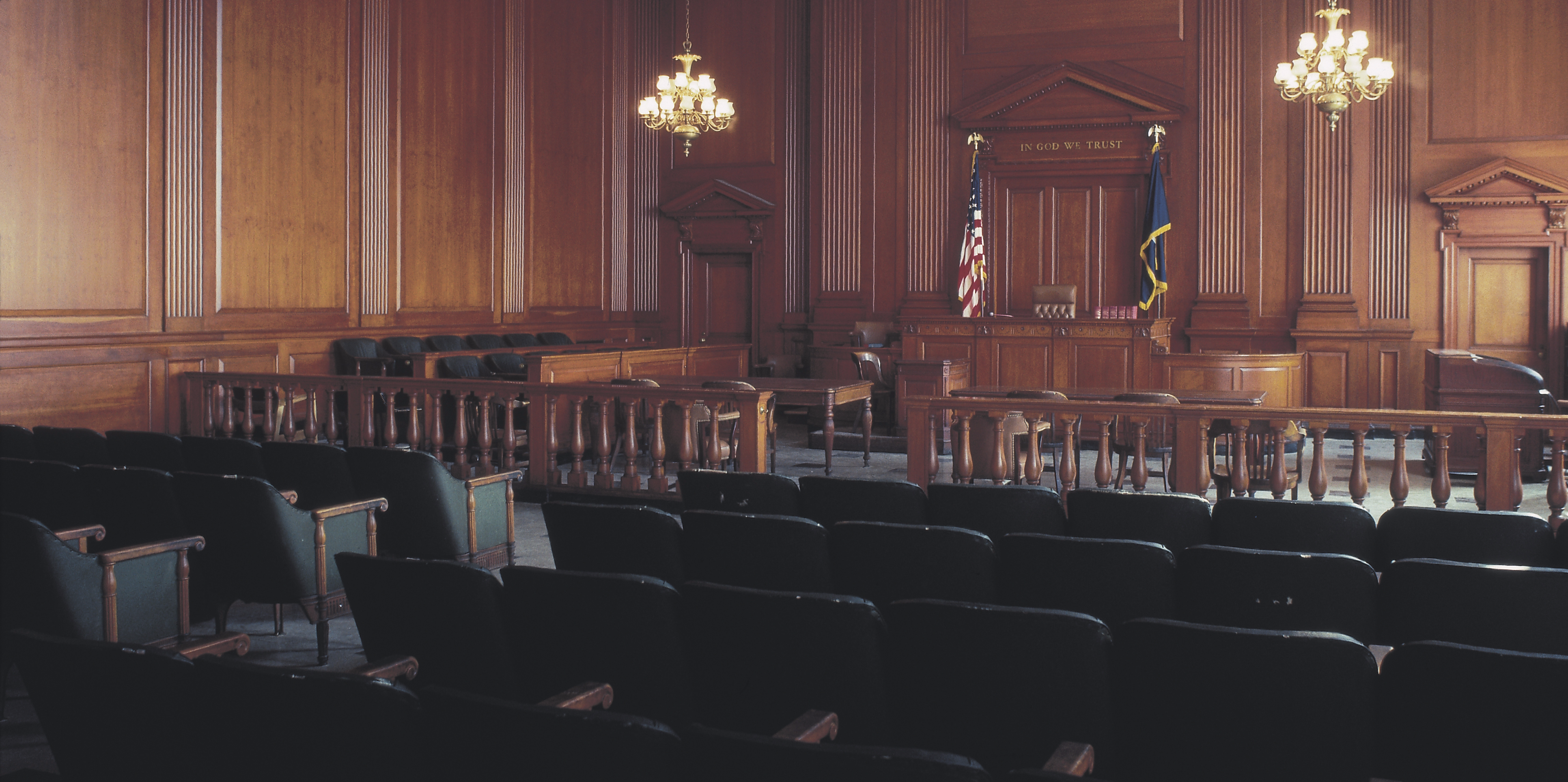
Recognizing your audience is an essential aspect of efficient test presentation. An effective presentation pivots on the ability to understand the demographics, worths, and predispositions of jurors. This comprehension informs just how arguments are framed, evidence exists, and emotional appeals are crafted, ensuring that the message reverberates with the jurors on an individual level.
Research suggests that jurors come from varied histories and may have differing levels of recognizing regarding legal proceedings (trial presentation). Hence, it is essential to stay clear of legal lingo that can alienate or confuse them. Instead, using clear, relatable language cultivates interaction and understanding. Furthermore, understanding the jurors' possible prejudices and life experiences enables the test speaker to anticipate arguments and address problems proactively.
Efficient test discussion also involves observing jurors' reactions throughout the procedures. Being attuned to non-verbal hints can give understanding into their interaction and understanding, permitting real-time adjustments in approach. Eventually, a profound understanding of the target market not just improves interaction yet also builds rapport, raising the chance of a beneficial outcome. Engaging with jurors as people instead of a collective device is essential in cultivating a solid link in the court.

Crafting an Engaging Story
Crafting an engaging narrative is important in guiding jurors through the intricacies of a case. A well-structured narrative not only streamlines intricate legal concepts yet additionally engages jurors on an emotional degree, making the details more relatable and remarkable.
This message should reverberate with the jurors' worths and experiences, promoting a connection that goes beyond simple truths. This chronological strategy can aid jurors comply with the progression of occasions, emphasizing cause and effect.
Incorporating human elements-- such as individual tales or anecdotes-- can additionally enhance the story's influence. These elements stimulate compassion, permitting jurors to picture the effects of the situation on realities. Furthermore, using a regular motif throughout the discussion enhances the major disagreement, making it much easier for jurors to preserve essential factors.
Ultimately, a compelling story changes a test discussion from a simple recitation of realities right into an influential story that captivates the court, encouraging them to mull over with both reason and feeling.
Making Use Of Visual Aids
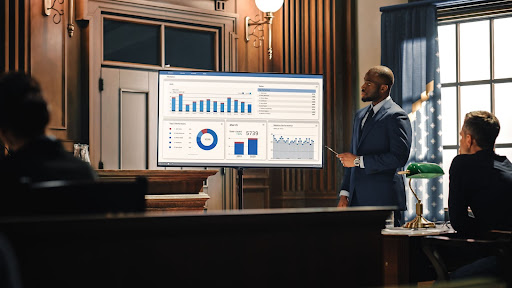
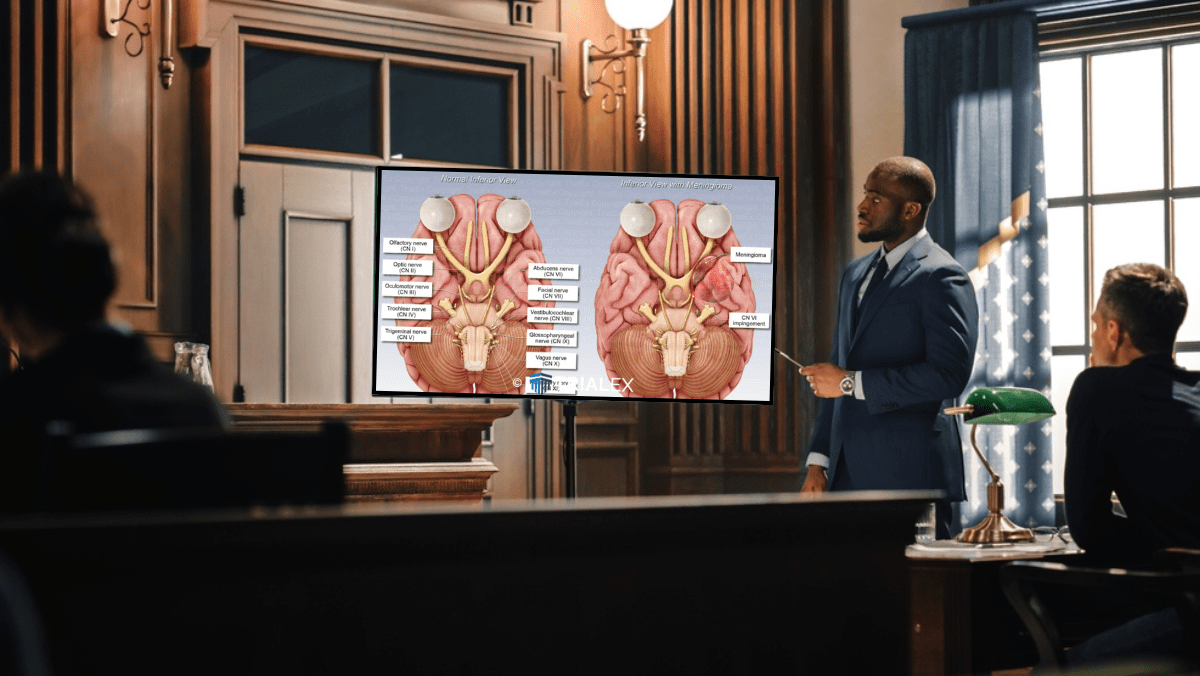
Incorporating aesthetic help into a trial presentation can considerably enhance jurors' comprehension and retention of information. Aesthetic products such as charts, diagrams, pictures, and videos can transform complicated legal ideas and proof right into quickly digestible layouts. By engaging several detects, these help allow jurors to imagine the case's vital elements, making it much easier for them to comply with along and understand detailed information.
Furthermore, well-designed visual help can emphasize critical factors and emphasize relationships between different pieces of evidence. For example, timelines can efficiently show the sequence of occasions, while annotated images can clarify specific information relevant to the instance. This not just aids in understanding however also reinforces the story presented by the lawyer.
It is crucial, however, to make certain that aesthetic help matter, clear, and skillfully presented. Overly intricate or cluttered visuals may bewilder jurors and diminish the message. When made use of deliberately, visual aids offer to enhance the dental debates and improve the total effect of the trial presentation. Eventually, effective visual communication can be a powerful device in persuading jurors and aiding them reach educated conclusions.
Mastering Verbal Interaction
Reliable verbal interaction is important in a test discussion, as it resource serves as the key means where lawyers share their arguments and get in touch with jurors. Mastering this ability includes clarity, persuasion, and involvement. Lawyers have to articulate their points plainly and concisely, helpful resources preventing legal lingo that may confuse jurors. Simpleness in language promotes understanding and assists jurors understand complex concerns offered throughout the test.
Furthermore, tone and pacing substantially impact how messages are gotten. A confident tone conveys authority, while appropriate pacing enables jurors to take in info without feeling bewildered. Lawyers need to also differ their vocal inflections to highlight crucial points and keep jurors' passion throughout the presentation.
Furthermore, the company of verbal arguments is essential. Structuring the narrative realistically and coherently helps jurors adhere to the attorney's logic, making it less complicated for them to maintain essential info. Utilizing convincing techniques, such as narration, can likewise improve the psychological resonance of the debates offered, thus creating a much more extensive link with jurors.
Ultimately, understanding spoken communication not just enhances an attorney's case but also fosters count on and connection with the jury, substantially improving the chances of a desirable decision.
Engaging With Body Language
Nonverbal interaction plays a vital role in test presentations, frequently conveying messages that words alone can not express. Body language, including gestures, stance, facial expressions, and eye get in touch with, considerably influences how jurors perceive the reliability and sincerity of the presenter. A confident position, with shoulders back and an open position, can infuse trust, while closed-off body language may recommend defensiveness why not try these out or uncertainty.
Facial expressions must mirror the emotions related to the case, enhancing the narrative being provided. As an example, an honest expression during a poignant moment can evoke empathy and reinforce the sob story. Inevitably, understanding body language is essential for reliable test discussions, as it improves spoken interaction and develops a compelling existence that resonates with the court.
Verdict
To conclude, captivating the jury requires a strategic method that includes recognizing the target market, crafting a compelling story, utilizing aesthetic help, mastering spoken communication, and involving with body language. Each element plays an essential function in creating an effective trial discussion that reverberates with jurors on both emotional and intellectual degrees (trial presentation). By integrating these components successfully, attorneys can considerably boost their capability to persuade and influence jury decision-making